
Blog
How Stress Impacts Physical Healing: What Your Body Needs to Recover

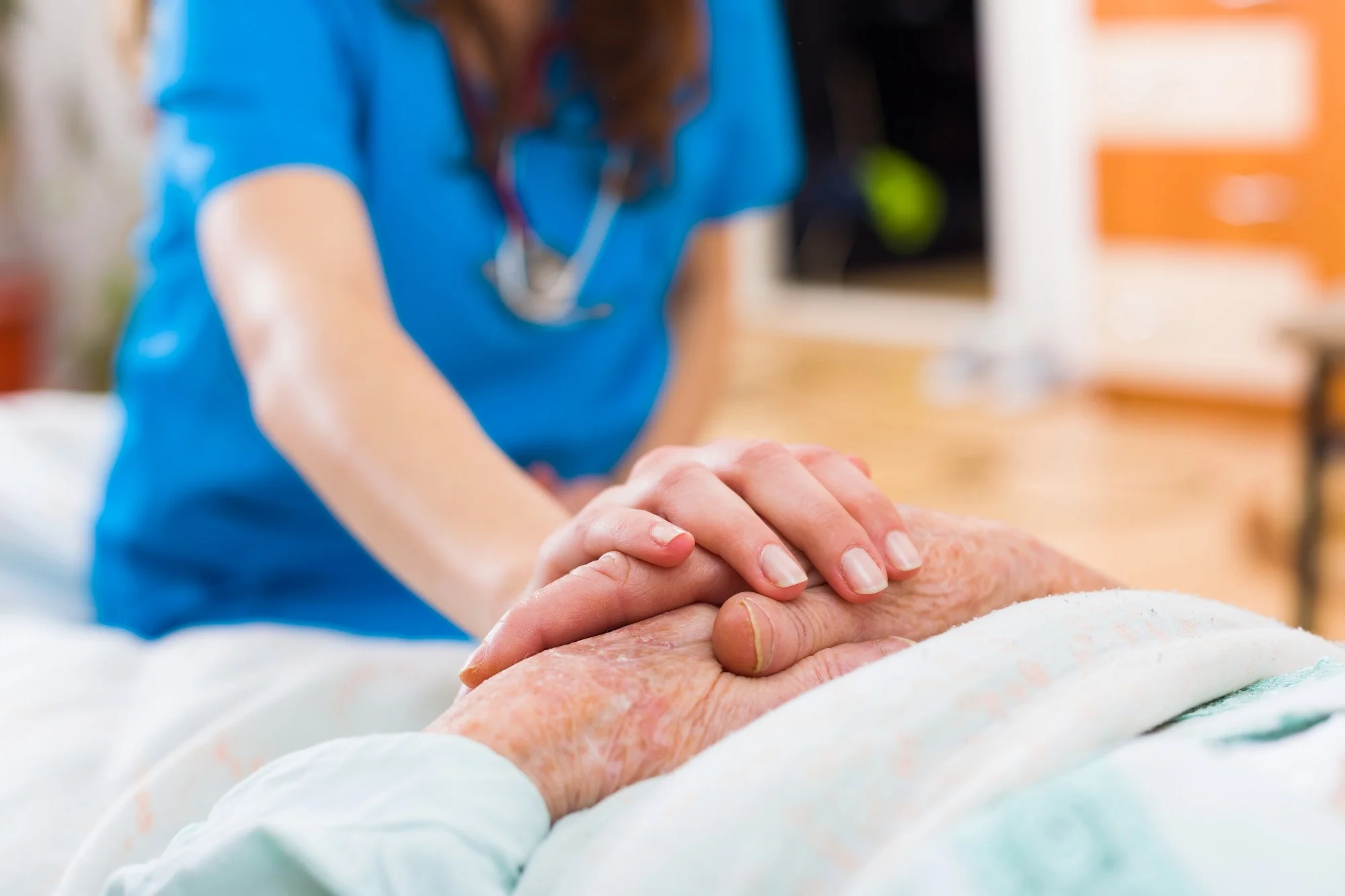
Healing is not just a physical process it’s a whole-body experience. Whether you’re recovering from illness, injury, surgery, or chronic pain, your body isn’t just responding to treatments or medications. It’s responding to your inner environment your thoughts, your emotions, and your nervous system. At Patricia Gilliano Wellness, we understand How Stress Impacts Physical Healing are deeply connected. When the body is under chronic stress, healing slows. Inflammation increases. Energy is diverted away from repair and into survival. But when the body feels safe, recovery begins. Understanding this connection can be the difference between feeling stuck in pain and finally moving forward in your healing journey.
The Biology of Stress and Why It Slows Healing
To understand how stress affects healing, we need to look at what stress does inside the body. When you experience stress whether it’s emotional, mental, or physical your brain sends a signal to the body that you might be in danger. This activates the sympathetic nervous system, often referred to as the “fight or flight” response.
In this state, your body prioritizes survival. It redirects energy and resources away from long-term processes like digestion, immune function, and tissue repair. Instead, it floods the body with stress hormones like cortisol and adrenaline. Your heart rate increases, your muscles tighten, and your breath becomes shallow. These reactions are designed to help you run from a predator or confront a threat but in modern life, that threat might be a painful memory, a deadline, or an unresolved trauma.
When this state becomes chronic, it keeps the body from entering the parasympathetic “rest and repair” mode exactly the mode you need for true recovery. That’s why How Stress Impacts Physical Healing doesn’t work well together. Healing isn’t just about doing the right things externally. It’s about creating the internal conditions where your body feels safe enough to repair itself.
Chronic Stress and Its Impact on Inflammation
One of the clearest links between stress and delayed healing is inflammation. When the body is injured or sick, it naturally creates an inflammatory response to begin the healing process. But stress can disrupt this system. When stress becomes chronic, the body produces excess inflammatory chemicals even when they’re not needed. This ongoing low-grade inflammation interferes with tissue repair and prolongs recovery time.
This is especially true for people living with autoimmune conditions, chronic pain, or lingering injuries. When the nervous system is stuck in a pattern of stress, even the smallest wound or flare-up can take longer to resolve. Clients at Patricia Gilliano Wellness often come in feeling frustrated by how long their bodies take to heal. When we gently explore the emotional or stress-related layers beneath their symptoms, we often find that the healing process is not broken it’s just blocked by a system that hasn’t felt safe in a long time.
The Mind-Body Disconnect That Keeps You in Pain
Stress doesn’t just impact healing through hormones it also creates disconnection. When you’re anxious or overwhelmed, you may begin to tune out from your body. You might stop noticing how you’re holding tension in your shoulders, clenching your jaw, or breathing in a shallow pattern. This disconnection is a survival response. It’s how the body copes with overwhelm. But when you disconnect from your body, you also disconnect from your healing cues signals like hunger, fatigue, pain, or ease.
This is where so many people get stuck. You may be doing “all the right things” eating well, going to physical therapy, and taking natural muscle recovery—but if your nervous system is still on high alert, your body may not be able to receive those efforts fully. The missing piece is often reconnection. When you begin to feel safe in your body again, healing resumes naturally. At Patricia Gilliano Wellness, we use somatic practices, breathwork, and nervous system regulation to help restore this connection and create the conditions for recovery.
How Stress Affects Sleep and Why That Matters for Healing
Sleep is one of the most critical components of physical healing. It’s when the body repairs tissues, balances hormones, and strengthens the immune system. However chronic stress disrupts sleep on every level. It makes it harder to fall asleep, stay asleep, and reach the deep stages of rest needed for healing.
Clients often tell us that they can’t rest even when they try that their minds are racing or their bodies feel tense even in bed. This is not a failure of discipline or motivation. It’s a sign that the nervous system is still stuck in activation. When the body doesn’t feel safe, it won’t allow itself to fully rest. That’s why one of the most important goals in recovery is helping the nervous system shift into a regulated state not just to feel better emotionally, but to allow the body to do what it was designed to do: heal.
How stress impacts physical healing is so closely tied that even small reductions in stress can make a measurable difference in sleep quality, immune response, and recovery time. Incorporating gentle routines like post-workout recovery tips can help signal safety and rest.
Emotional Suppression and the Physical Body
Stress and healing are not opposites, but they are in tension. One contracts and the other expands. One braces, the other softens. When you begin to shift out of a chronic stress state, you may be surprised by how quickly your body responds. Pain may ease. Digestion may improve. Sleep may deepen. These aren’t coincidences. They’re signs that the body has re-entered a healing state. This shift may also be supported by exploring natural ways to reduce inflammation.
The body is always telling the truth. When you ignore its signals in favour of staying productive or avoiding discomfort, you may delay healing without realizing it. Emotional suppression is a stressor in itself, and it requires energy that could otherwise go toward repair. At Patricia Gilliano Wellness, we encourage clients to honour their emotions as part of their holistic healing journey—not as something separate, but as something sacred. When you make space to feel, you create space to heal.
Reclaiming the Body’s Healing Intelligence
One of the most empowering truths we share with our clients is that the body knows how to heal. You don’t need to micromanage the process. You don’t need to be perfect. What the body needs most is for you to get out of fight-or-flight and into rest and repair. That means calming the nervous system, reducing emotional load, and reconnecting with your breath, your body, and your internal rhythms.
Stress Impacts Physical Healing are not opposites but they are in tension. One contracts and the other expands. One braces, the other softens. When you begin to shift out of a chronic stress state, you may be surprised by how quickly your body responds. Pain may ease. Digestion may improve. Sleep may deepen. These aren’t coincidences. They’re signs that the body has re-entered a healing state.
At Patricia Gilliano Wellness, we’ve seen this countless times: a client whose back pain finally eases after learning to regulate her breath. Another finds inflammation decreasing after releasing long-held emotional grief. Healing doesn’t always look like doing more it often looks like doing less, but with more presence.
Creating a Healing Environment from the Inside Out
Healing doesn’t only happen in clinics or treatment rooms. It happens in how you speak to yourself. In how you move. In how you rest. In the spaces you create, internally and externally, to support repair. You can’t eliminate all stress from your life but you can change your relationship to it. You can become more aware of how stress shows up in your body. You can respond with gentleness instead of judgment. You can give your body what it needs to return to safety.
This is the essence of the work we do at Patricia Gilliano Wellness. We don’t treat symptoms in isolation. We create a healing partnership with your body, your nervous system, and your story. We believe that real recovery doesn’t begin with willpower. It begins with regulation, awareness, and compassion.
Conclusion:
Your body wants to heal. It is wired for repair, regeneration, and renewal. But it needs your help. It needs calm, not chaos. Stillness, not self-criticism. Regulation, not relentless doing.
How Stress Impacts Physical Healing is part of the same conversation. You cannot force your way into recovery, but you can create the space where recovery becomes possible. That space is one of softness, safety, and support.
At Patricia Gilliano Wellness, we walk with you as you reclaim that space. If your healing feels stuck, you are not broken you may simply be carrying too much stress to allow your body to do what it knows how to do. Let us help you shift from survival to restoration. From tension to trust. From effort to ease.
You don’t have to do this alone. And you don’t have to push to get better. Sometimes the bravest thing you can do is soften. We’re here when you’re ready.